

Myo Thein
Workers at Mai Yi Bei Garment say that being forced to work continuous overnight overtime has harmed their health. After reports about the factory’s unfair overtime practices circulated on social media, overtime was briefly reduced for only a few days. However, workers say they were then required again to work overtime late into the night, until 12:00 a.m. and even 4:00 a.m. the following morning.
“After the news came out, they only limited overtime to 8:00 p.m. for two or three days. After that, up to today, we have been working overnight every day until 12:00 a.m. and 4:00 a.m. It’s damaging our health. Bodies are exhausted; only our eyes are still open,” a worker said.
Workers say that if they refuse overtime, supervisors call meetings and scold them in front of everyone, humiliating them. As a result, workers not only suffer from lack of sleep but also from public shame.
“It’s humiliating and we don’t get enough sleep. The production side says work must be done whenever there is work even when complaints are raised and HR tells them not to force overtime. Because of what the finishing supervisor said, even the HR manager resigned,” a worker said.
Workers also said that overtime was called on the officially announced holidays on the 25th and 26th. They added that the finishing supervisor, Daw Nyein Nyein Lwin, calls meetings and verbally abuses workers who do not work overtime. She reportedly claims she has studied the law and says that no matter who comes, she can handle it, telling workers to complain wherever they want.
Workers reported that within production lines, piece-rate targets are forced aggressively, and that if workers fail to meet targets or refuse to work late-night overtime, supervisors and line leaders verbally abuse them.
“In finishing, we understand the target is as high as 70 pieces per hour. It’s the same on the sewing lines. If targets aren’t met, they shout at workers, and if workers don’t work night overtime, they are also abused. This violates the law and harms a person’s dignity,” said an official from the Industrial Workers’ Federation of Myanmar (IWFM).
Workers also said they are not provided with emergency gate passes, and that the factory does not grant legally mandated casual leave, social security medical leave for which workers make monthly contributions, or paid leave. Instead, wages are deducted.
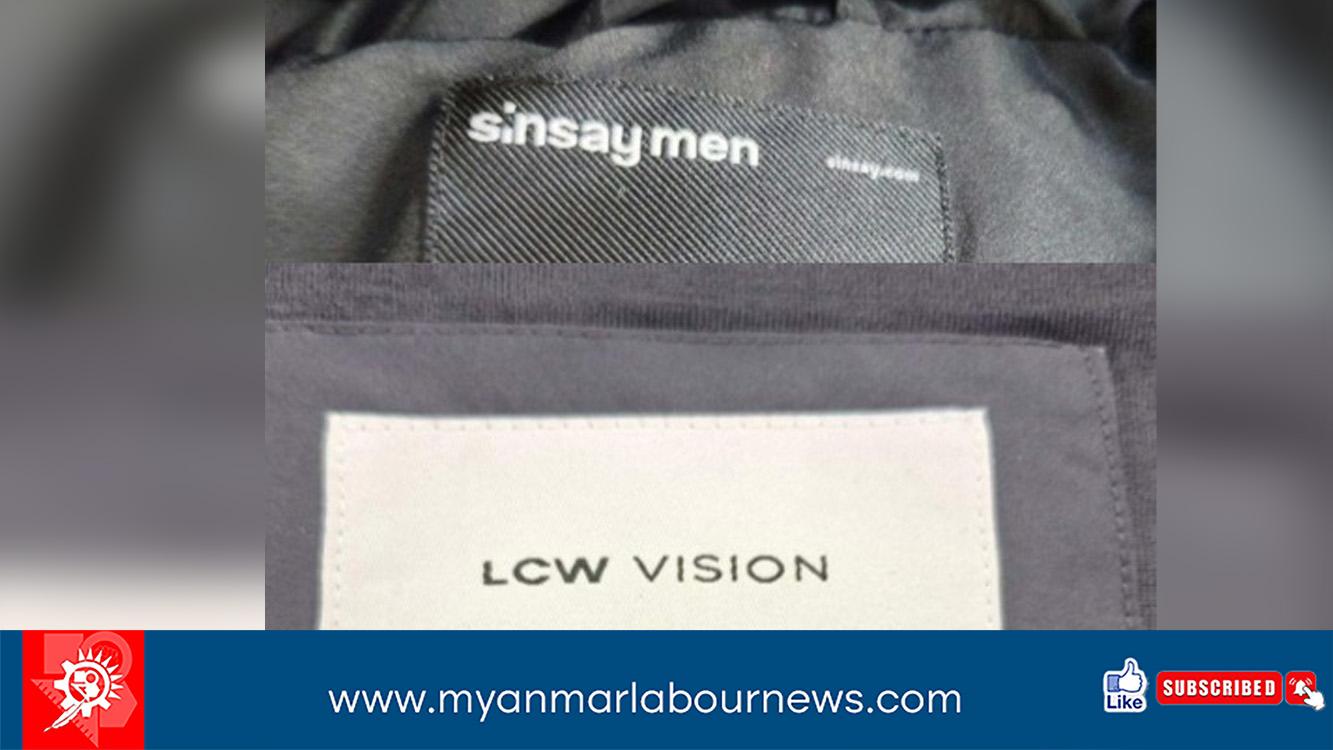
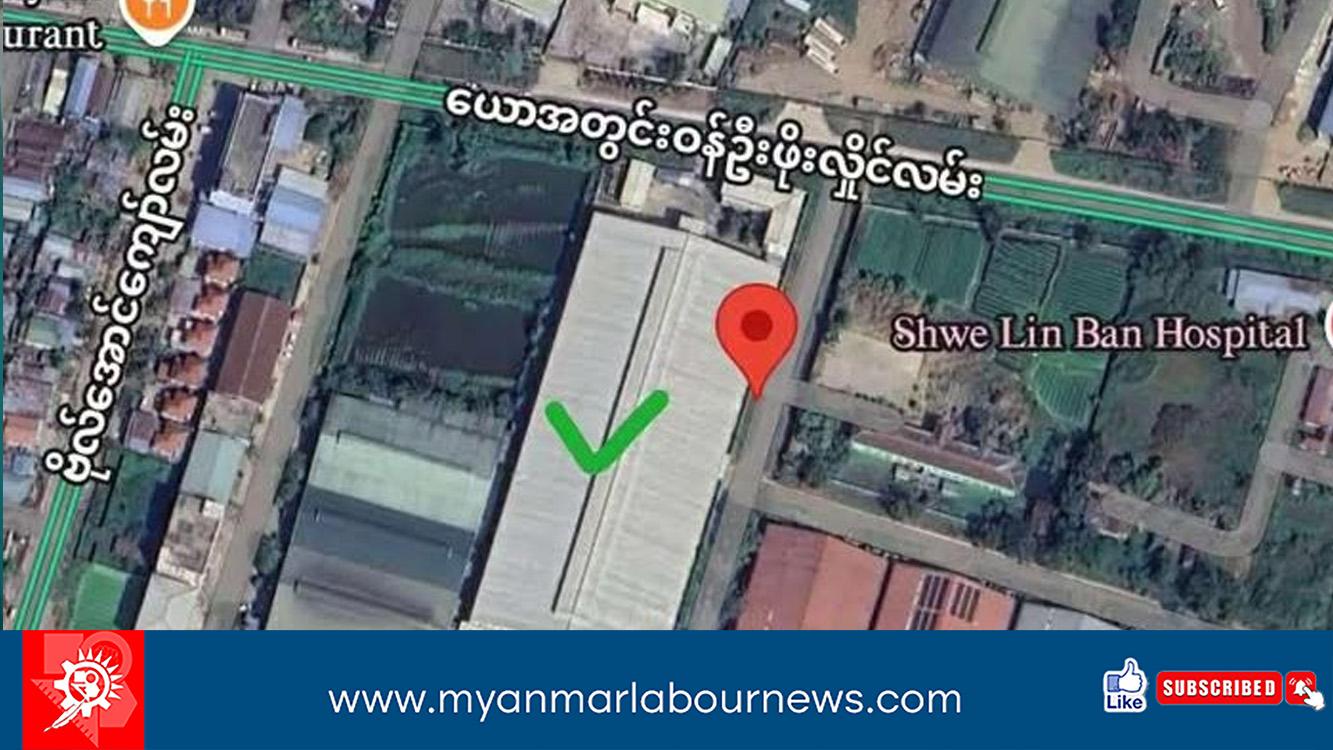
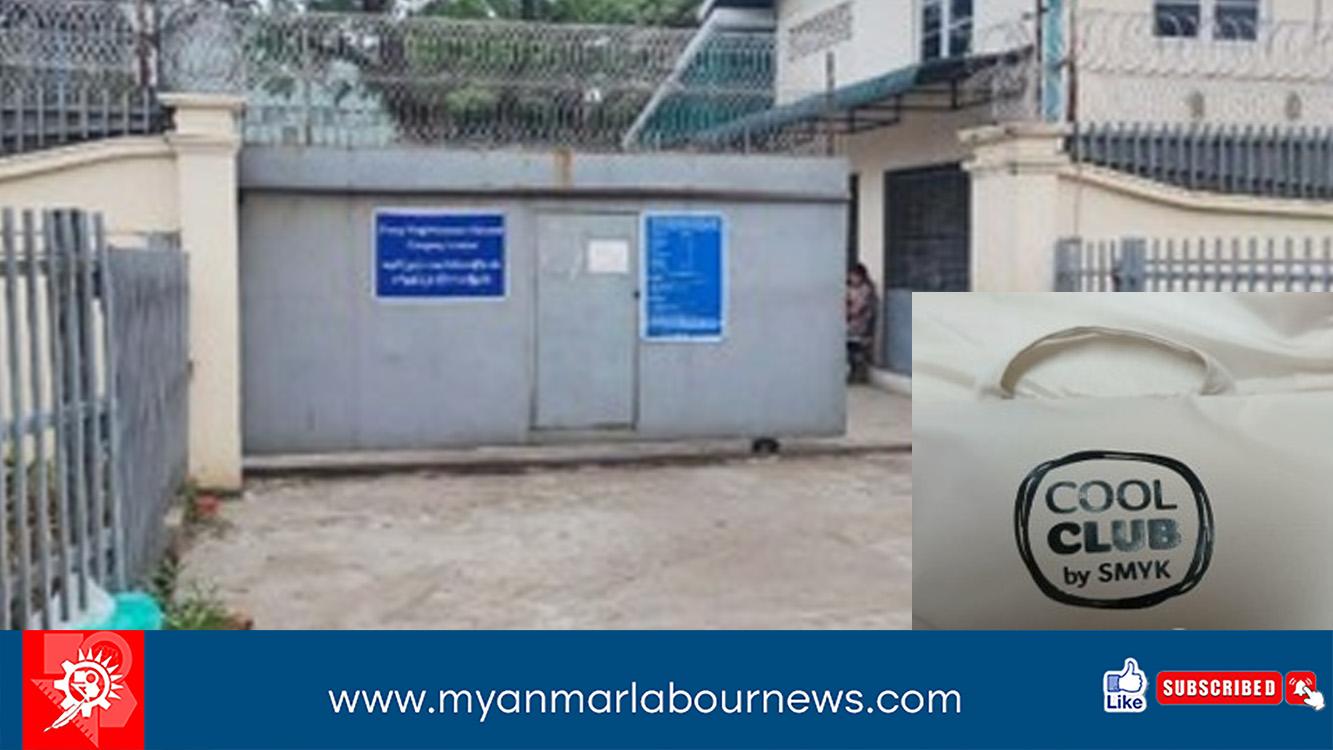
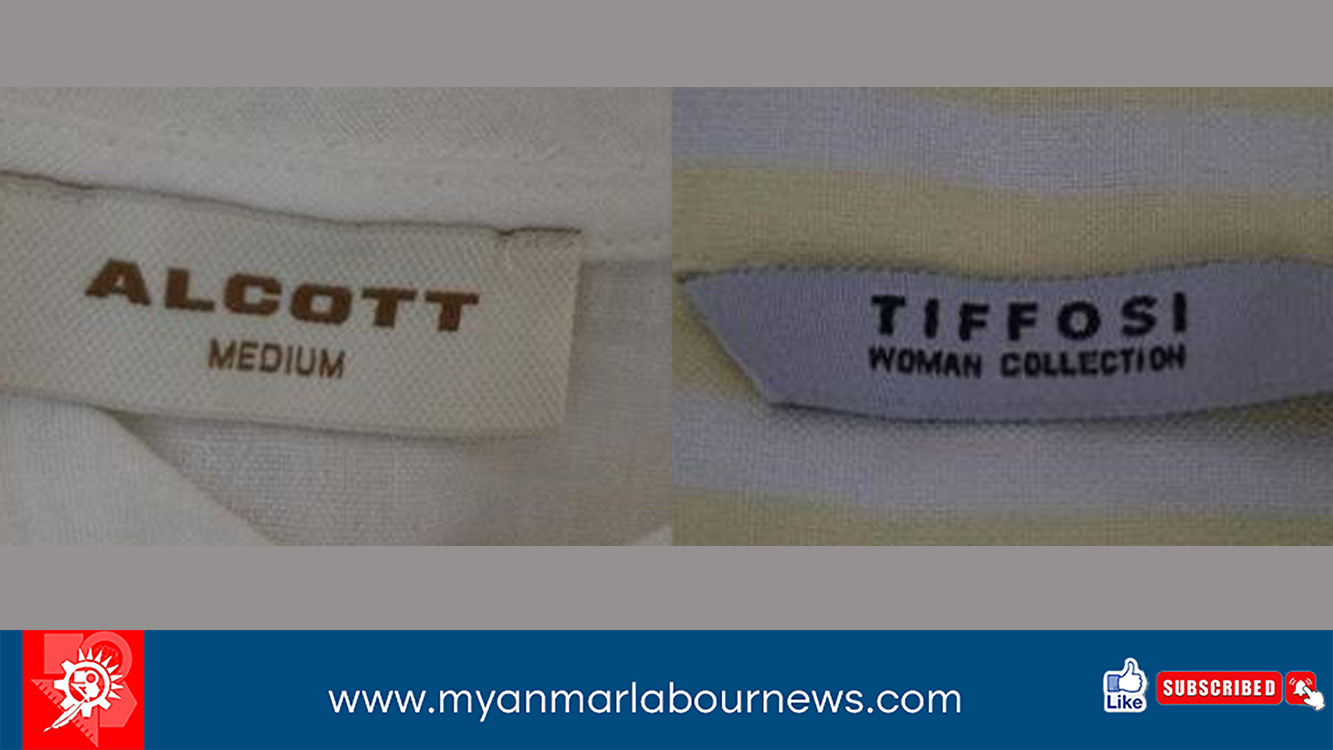
Mai Yi Bei Garment is located at the corner of Say Yone Road and Padauk Road, Shwe Lin Ban Industrial Zone, Hlaing Tharyar Township, Yangon. It is reportedly owned by Chinese nationals. More than 800 workers are employed there, and the factory is known to manufacture the Alcott and TIFFOSI brands.